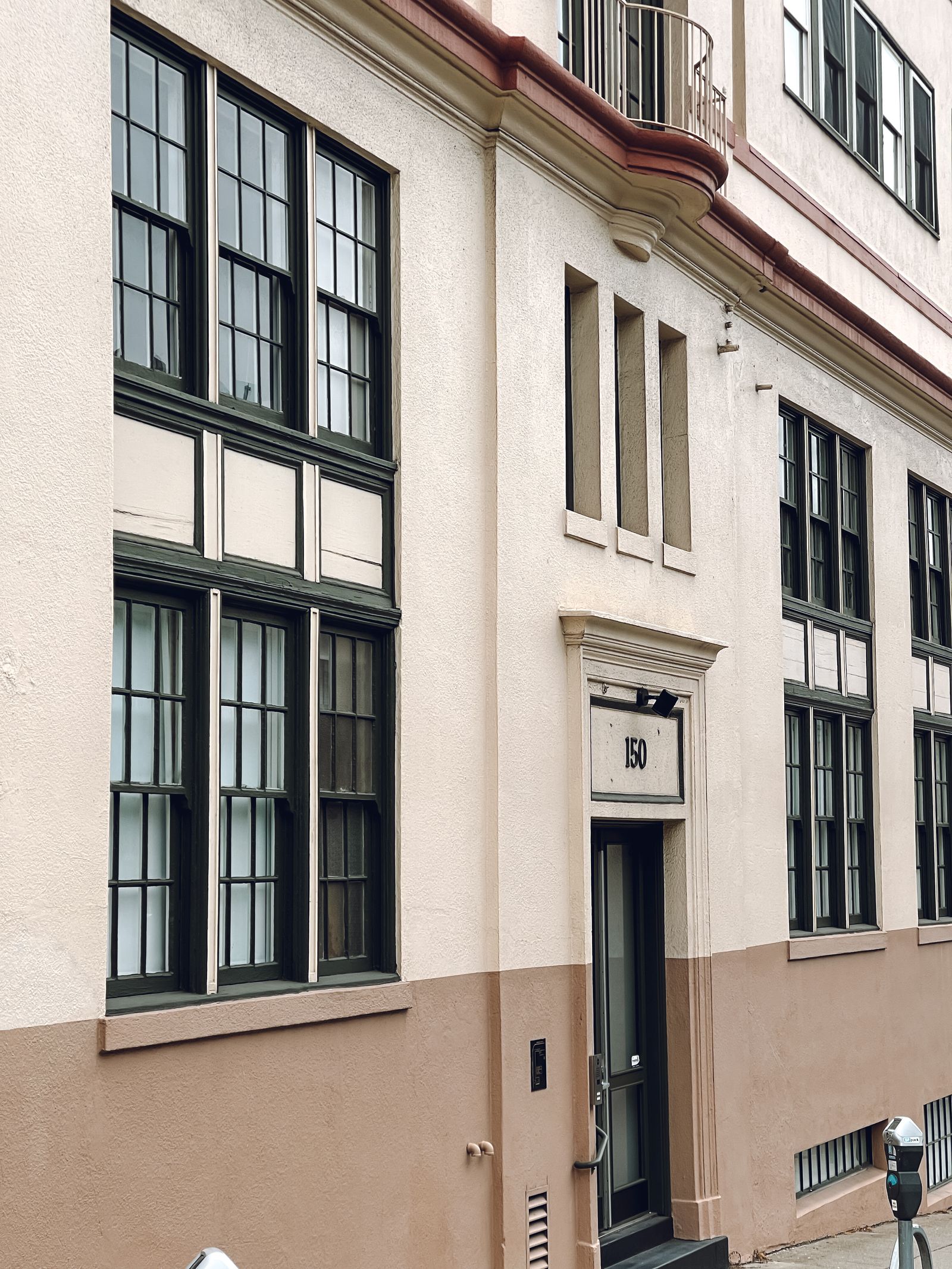
Pressure washing is a tool, not a finish standard
Pressure washing uses mechanical force to move soil. It may be appropriate for compatible concrete, selected hardscape, some parking or service areas, and durable surfaces where the operator controls pressure, distance, angle, nozzle, temperature, and flow. More force can also remove a coating, scar soft masonry, damage EIFS, open a joint, push water behind a detail, or disturb adjacent landscaping. A wall is not successfully cleaned if the mortar, sealant, glazing, paint, or substrate has been harmed.
The suitable pressure can change across one Fargo property. A loading dock or concrete service yard is different from an older brick storefront on Broadway, a hotel entry near downtown, a medical entrance in West Fargo, or a retail sign band at West Acres. Lower facade bands may hold salt and grit while upper walls hold pollen or organic growth. A quote should assign pressure only to surfaces that have been reviewed and should identify where soft washing, hand detail, pole work, lift access, or a hybrid plan is better.
Soft washing reduces force for compatible conditions
Soft washing generally uses compatible chemistry, dwell time, low mechanical force, and a controlled rinse for selected algae, mildew, pollen, bird residue, organic growth, and atmospheric film. It may suit certain brick, coated surfaces, stucco, EIFS, canopies, roofline details, and upper facade areas when the material, product, weather, people, and runoff path are considered. Low force does not mean no risk: products can affect plants, metals, paint, sealants, air intakes, vehicles, and occupied areas without careful isolation and protection.
A Fargo stain should be identified before a method is promised. Winter residue may be salt crystals mixed with grit. A truck route or parking field may add traffic film. Irrigation, a downspout, parapet, failed joint, or spring melt path may recreate a streak after washing. Mineral scale, oxidation, oil, paint, efflorescence, graffiti, and construction residue may need specialty treatment or contact work. Test areas and dry-down help distinguish an appropriate cleaning result from a restoration expectation.
- Use soft washing only where the material and deposit are compatible with the planned chemistry and rinse.
- Treat salt, minerals, oxidation, oil, paint, graffiti, and construction residue as separate questions.
- Protect landscaping, metals, coatings, air intakes, vehicles, and public areas regardless of pressure level.
- Use a test area when substrate, repair history, or expected appearance is uncertain.
Compare the method with Fargo-area operations
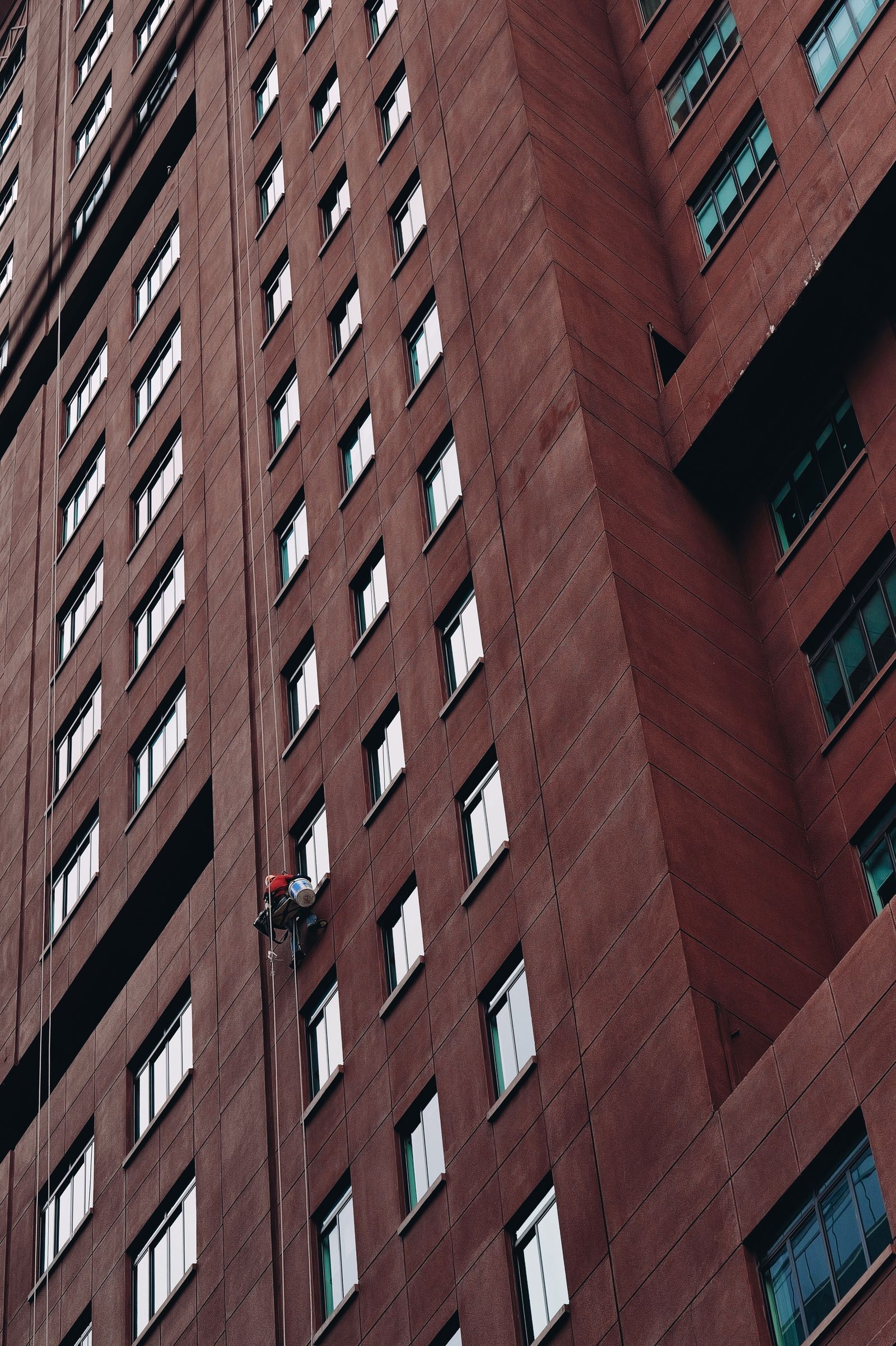
A method suited to an empty industrial yard may be a poor fit for a Downtown Fargo restaurant, a West Acres retailer, a Moorhead office, or a West Fargo clinic. Ask how the crew will protect accessible paths, guest and patient movement, tenant doors, air intakes, signs, cameras, vehicles, patios, landscaping, and emergency access. Ask when the work zone will be active, who coordinates deliveries, what happens if someone enters the boundary, and when the site will be returned to service.
Downtown blocks can have tight sidewalks, event traffic, storefront activity, and limited staging. West Acres properties may require customer parking and loading coordination. Moorhead and West Fargo sites can have different streets, drains, snow storage, construction activity, and property rules even when the building type is similar. NDSU-area work may need a plan for student movement, buses, academic schedules, or special events. The complete method comparison includes access and operations, not just equipment or a pressure number.
Let Red River Valley weather decide the workable window
Fargo's snow and ice create practical differences between methods. Snowbanks can narrow the work zone, cover catch basins, and redirect meltwater. Ice makes hose crossings and hand access less predictable. Freeze-thaw cycles can expose weak mortar, cracked concrete, failed sealants, or coating failure that pressure may worsen. Deicing residue often concentrates near garage entries, curbs, loading docks, and pedestrian doors. The right response may be a limited, carefully timed salt-residue scope or a later facade wash, not an attempt to clean every elevation in frozen conditions.
Wind affects both pressure spray and soft-wash application, but a lower-pressure process still needs a public boundary and a weather check. Rain can dilute chemistry and move soil into an uncontrolled path. Summer heat can shorten dwell and unevenly dry a surface. Spring melt and fall leaves change drainage and access. Before and during work, check wind, lightning, precipitation, temperature, surface moisture, ice, footing, and the expected water path. Pause when observed conditions no longer support the planned result or control level.
A useful maintenance calendar may put high-visibility entrances and salt-affected lower walls in one window, broad facade washing in a stable warm period, and inspection or repair referrals before winter. The interval should come from observed resoiling, tree cover, traffic, previous results, budget, and events. It should not be an automatic promise that every building needs the same number of washes.
Access and runoff can change the recommendation
A drone, lift, pole, roof-access method, or ground-based hose setup may each fit different elevations. Drone-assisted application or rinsing can support a suitable upper wall if line of sight, stand-off distance, launch space, wind, adjacent structures, and ground controls are workable. It cannot make a facade material compatible, remove bonded deposits by itself, or replace detail work. Commercial drone operations must follow applicable FAA requirements and any required authorization. If public separation, airspace, wind, or access is not workable, a lift, pole, hand detail, or hybrid plan should be considered.
Runoff planning is part of method selection. Trace water from the facade to curb inlets, trench drains, landscaped beds, low areas, snow storage, parking ramps, doors, and neighboring parcels. A drain's presence does not by itself authorize a discharge. The actual product, soil, volume, slope, temperature, and local site requirements determine whether diversion, protection, monitored collection, recovery, or another control is appropriate. Pressure can create more splash and flow; soft washing can create product and dwell concerns. Both require a written, observed water-management plan.
Use the quote to compare outcomes, not machine names
Ask each bidder to describe the substrate and deposit, method by elevation, test area, expected appearance, access route, water source, runoff controls, weather limits, public protection, included detail, exclusions, backup method, and closeout documentation. The scope should distinguish washing from repairs, glass restoration, scale removal, oxidation treatment, paint work, graffiti treatment, and leak correction. It should also say what happens if a test area reveals a different material response or if snow, ice, wind, or site activity changes the plan.
For a Fargo comparison, send the address, photos of each elevation and stain, approximate height, facade materials, priority zones, desired finish, preferred timing, water access, drainage observations, snow-storage constraints, and customer, tenant, patient, student, delivery, event, or security restrictions. Call +1 239-351-2897, email contact@dronebuildingcleaners.com, or use the quote form to get in touch. A property-specific review can assign soft washing, controlled pressure, contact work, aerial support, or a hybrid scope where each is most defensible.