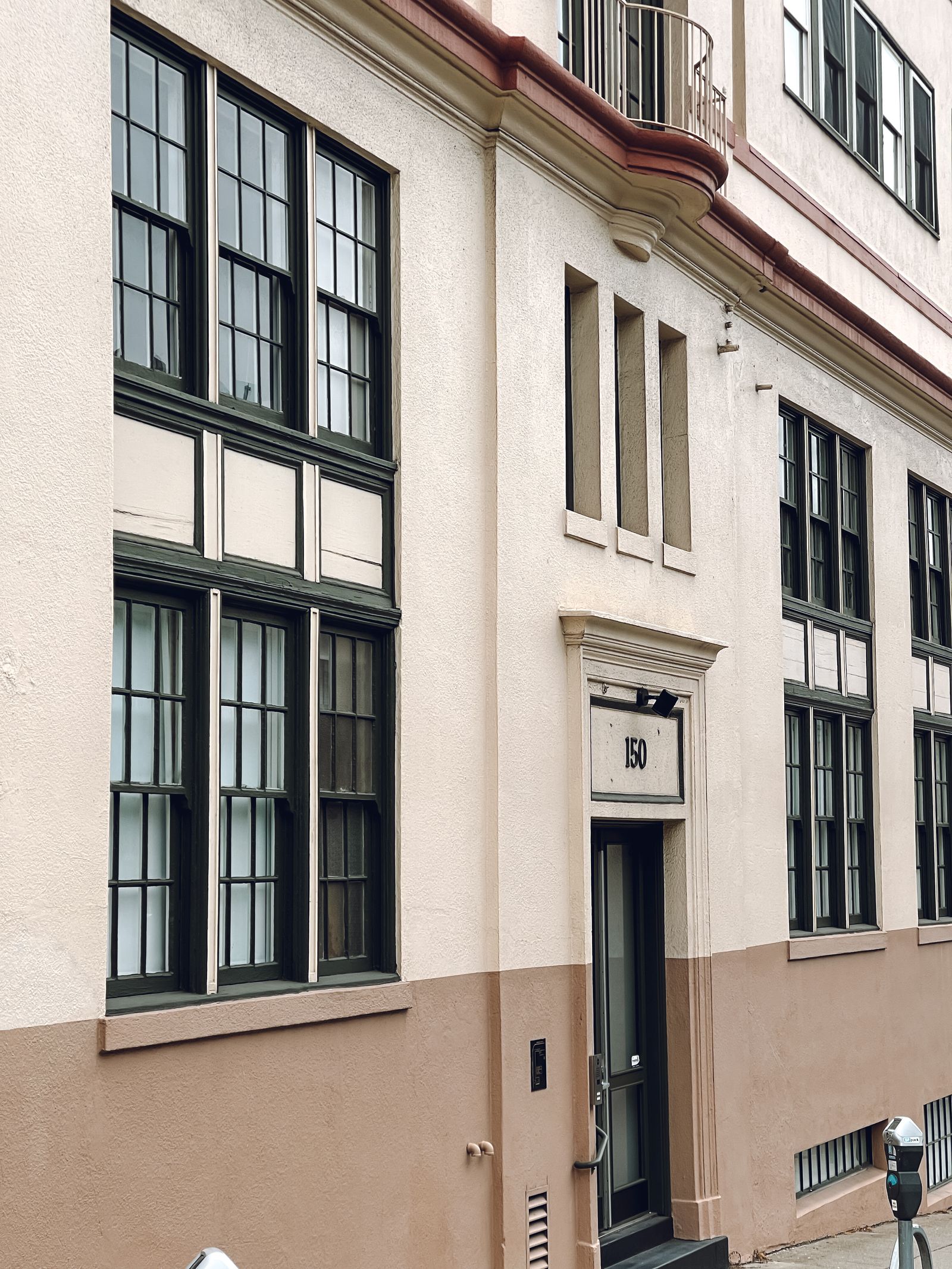
Review the Fargo facade before choosing a method
Commercial buildings around Broadway, Main Avenue, the downtown riverfront, 13th Avenue, and the West Acres corridor can combine brick, precast concrete, EIFS, stucco, painted metal, glass, stone, canopies, parapets, and repaired sections. One elevation may have shaded biological growth while another has traffic film or salt residue at the lower wall. A visible dark band can also be oxidation, mineral deposit, soot, efflorescence, or existing damage. The first review should identify the substrate, coating history, height, openings, sensitive details, moisture paths, and the result ownership considers successful.
Soft washing can fit compatible organic growth and atmospheric soil when the product, dwell time, pressure, rinse direction, and protection are controlled. A test area is useful for porous brick, weathered mortar, unfamiliar coatings, recent repairs, or a surface that may dry differently than expected. Routine washing should remain separate from masonry repair, leak investigation, failed sealant replacement, paint work, mineral restoration, graffiti treatment, and construction-residue removal. A clear scope tells the facilities team what the cleaning is expected to improve and what belongs to another trade.
- Separate brick, EIFS, stucco, concrete, glass, metal, stone, and painted zones.
- Distinguish salt, mineral deposits, oxidation, organic growth, traffic film, and damage.
- Define whether the goal is routine maintenance, a customer-facing reset, or a presentation finish.
- Use a representative test area when material or coating response is uncertain.
Coordinate Downtown, West Acres, Moorhead, and West Fargo operations
Downtown Fargo work may sit beside sidewalks, storefronts, patios, apartments, hotels, offices, deliveries, event traffic, and limited staging. Broadway and Main Avenue can require a short, clearly controlled work zone with a spotter for pedestrians and vehicles. A property near North Dakota State University may need to account for students, buses, move-in periods, and changing campus activity. West Acres and nearby retail corridors bring customer parking, shopping peaks, loading docks, signs, tenant entrances, and landscaping close to the facade. A mall-area hotel or restaurant may need a sequence that keeps its guest approach and delivery route usable.
Moorhead adds a Red River crossing and a different municipal operating context, while West Fargo properties may have newer offices, medical buildings, retail, industrial sites, and wider parking fields. Those settings can offer more room but still need controls for employee shifts, school or clinic traffic, trucks, gates, and customer entrances. A quote should identify accessible paths, doors, air intakes, loading windows, security contacts, emergency routes, parking impacts, and the person authorized to pause the work. A suburban setback does not remove the need to protect public movement or neighboring property.
For a portfolio spanning Fargo, Moorhead, and West Fargo, each address needs its own plan. Hose routing, water access, snow storage, drains, wind exposure, lift or launch space, and facade materials can change within a few miles. A phased elevation plan may keep one entrance open while another is controlled. The handback time should be part of scheduling, especially when a retail, hotel, healthcare, or office property needs dry, usable pavement before the next operating period.
Build the schedule around snow, ice, salt, and freeze-thaw
Fargo weather can turn a reasonable cleaning window into an unsafe or ineffective one. Snow piles can narrow sidewalks, hide drains, redirect meltwater, and reduce staging space. Ice affects footing and hose crossings. Freeze-thaw cycles can expose cracked masonry, open mortar, failed sealants, spalled concrete, and vulnerable coatings. Road salt and deicing residue often collect at entrances, curbs, garage ramps, loading zones, and lower facade bands. Those deposits should be evaluated separately from organic growth; washing is not a promise of complete salt, mineral, or corrosion restoration.
Red River Valley wind matters for spray control, drying, public separation, and any proposed aerial assistance. Spring melt, summer humidity, fall leaves, and winter residue create different maintenance priorities. Before each elevation, the field plan should check wind, precipitation, lightning, temperature, surface moisture, ice, traction, and the water path. If a storm approaches, a drain is blocked, a walkway becomes slick, or the wind changes the planned application, the crew should secure the area, pause, and reassess. A calendar date is only a target window.
A recurring program can separate practical seasons: entrance and salt-affected areas when conditions allow, broader facade washing during a stable warm-weather window, and inspection or touch-up planning before winter. This may be more useful than forcing every elevation into one mobilization. The proposal should describe weather limits, cold-weather exclusions, expected drying, and rescheduling assumptions so ownership can make an informed operating decision.
- Map snow storage, ice, low points, catch basins, doors, and accessible routes before setup.
- Separate salt and mineral residue from organic growth, traffic film, and facade damage.
- Set pause triggers for wind, lightning, rain, temperature, ice, traction, and changed runoff.
- Plan seasonal work around actual conditions, drying, and the building's operating calendar.
Plan access and runoff before the rinse starts
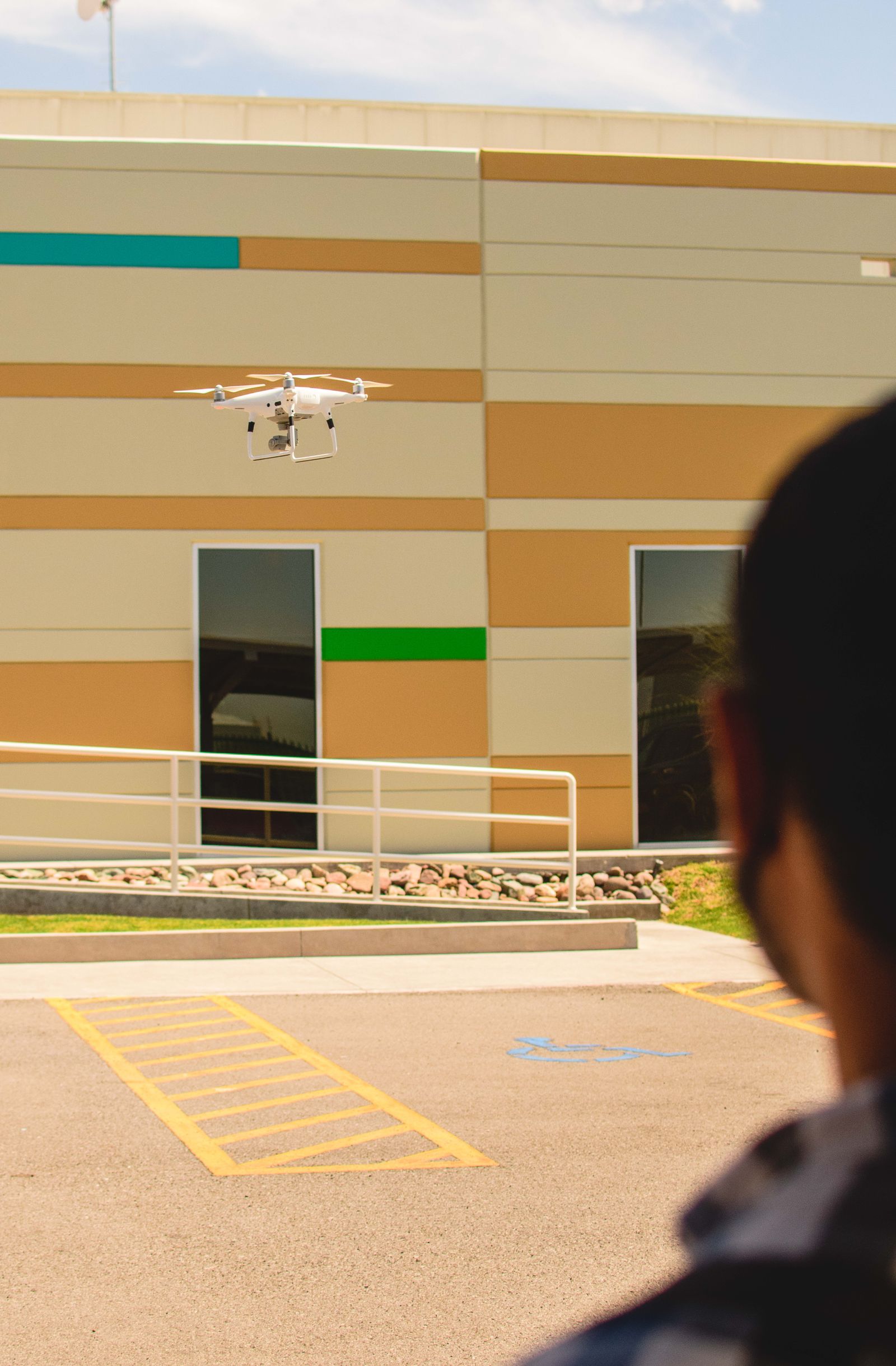
A Fargo facade may be reachable from a sidewalk, parking field, service drive, roof, lift area, pole system, or a controlled aerial position. Drone-assisted application or rinsing may support suitable upper elevations when stand-off distance, line of sight, launch and recovery space, wind, adjacent structures, and ground controls are workable. It does not replace detail work on glass, ledges, canopies, mineral deposits, recessed areas, or damaged surfaces. FAA requirements and current site conditions still apply; a property manager's permission alone is not an aviation authorization.
Before application, identify water access, hose crossings, roof drains, downspouts, curb inlets, trench drains, low points, planters, snow piles, air intakes, electrical equipment, cameras, vehicles, and neighboring parcels. A visible storm drain is not automatic permission to send cleaning water into it. Products, removed soil, rinse volume, slope, temperature, site rules, and the responsible authority determine the appropriate control. Depending on the site, controls may include dry cleanup, diversion, temporary protection, monitored collection, recovery, or another documented approach.
The field lead should be able to stop for unexpected bypass, rising containment, an occupied work zone, a blocked inlet, a person entering the boundary, or loss of traction. Closeout should confirm completed elevations, remaining deposits, reopened routes, removed protection, and repair or drainage concerns discovered. This level of detail gives a Fargo owner something usable for approval and future maintenance instead of a vague promise to wash the outside.
Request a Fargo quote built for the property
A decision-ready proposal should identify the building materials, visible conditions, included elevations, proposed method by zone, test-area expectations, access plan, water assumptions, runoff controls, weather limits, public protection, expected finish, exclusions, and closeout documentation. Broad facade washing should be priced separately from high-detail glass, hard-water removal, oxidation, graffiti, construction residue, canopy work, coating work, and envelope investigation. If drone assistance is considered, the scope should identify the elevations it may support and the backup access method if wind, airspace, or public control changes.
Send the Fargo address, wide and close photos, approximate height, known materials, priority areas, desired result, preferred work window, water access, drainage observations, snow storage concerns, and restrictions involving customers, tenants, patients, students, employees, deliveries, events, or security. Call +1 239-351-2897, email contact@dronebuildingcleaners.com, or use the quote form to get in touch. We can review a one-time facade reset, a phased public-facing scope, or recurring commercial exterior maintenance around the way the building operates.